North Carolina turkey and waterfowl seasons 2026-27
North Carolina has strong spring turkey hunting from the mountains to the coast, and some of the best-known duck water on the Atlantic coast in the Currituck, Albemarle and Pamlico sounds. This page covers the 2027 spring turkey dates from the Wildlife Resources Commission's 2026-27 season sheet, which the Commission marked as tentative, and the rules that every duck and goose hunter needs. Waterfowl dates are set each year inside federal limits and published separately, so we point you to the official page rather than guess.
Spring turkey season 2027
- Youth season: April 10 - 11, 2027 (male or bearded turkeys only)
- Statewide season: April 17 - May 15, 2027 (male or bearded turkeys only)
The season is statewide, so a hunter in Cherokee County and a hunter in Currituck County open on the same morning. The digest sets the daily and season bag limits and shooting hours, and every turkey must be reported. Some game lands have their own permit hunts; check the game land map before you go.
What you can hunt turkeys with
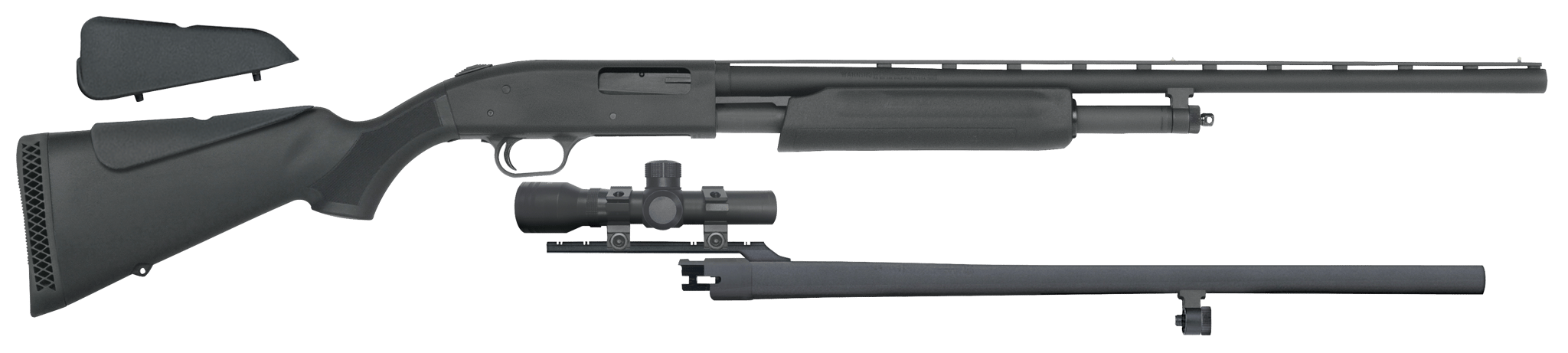
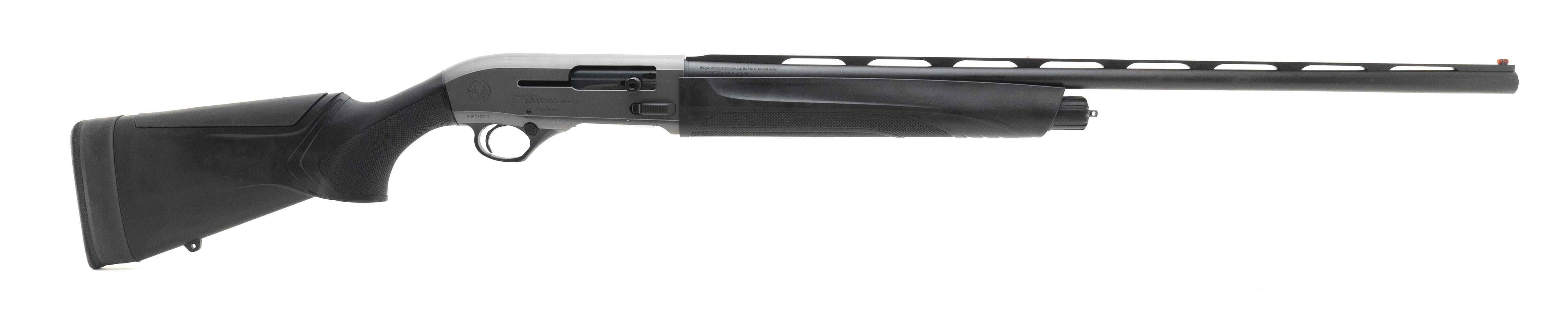
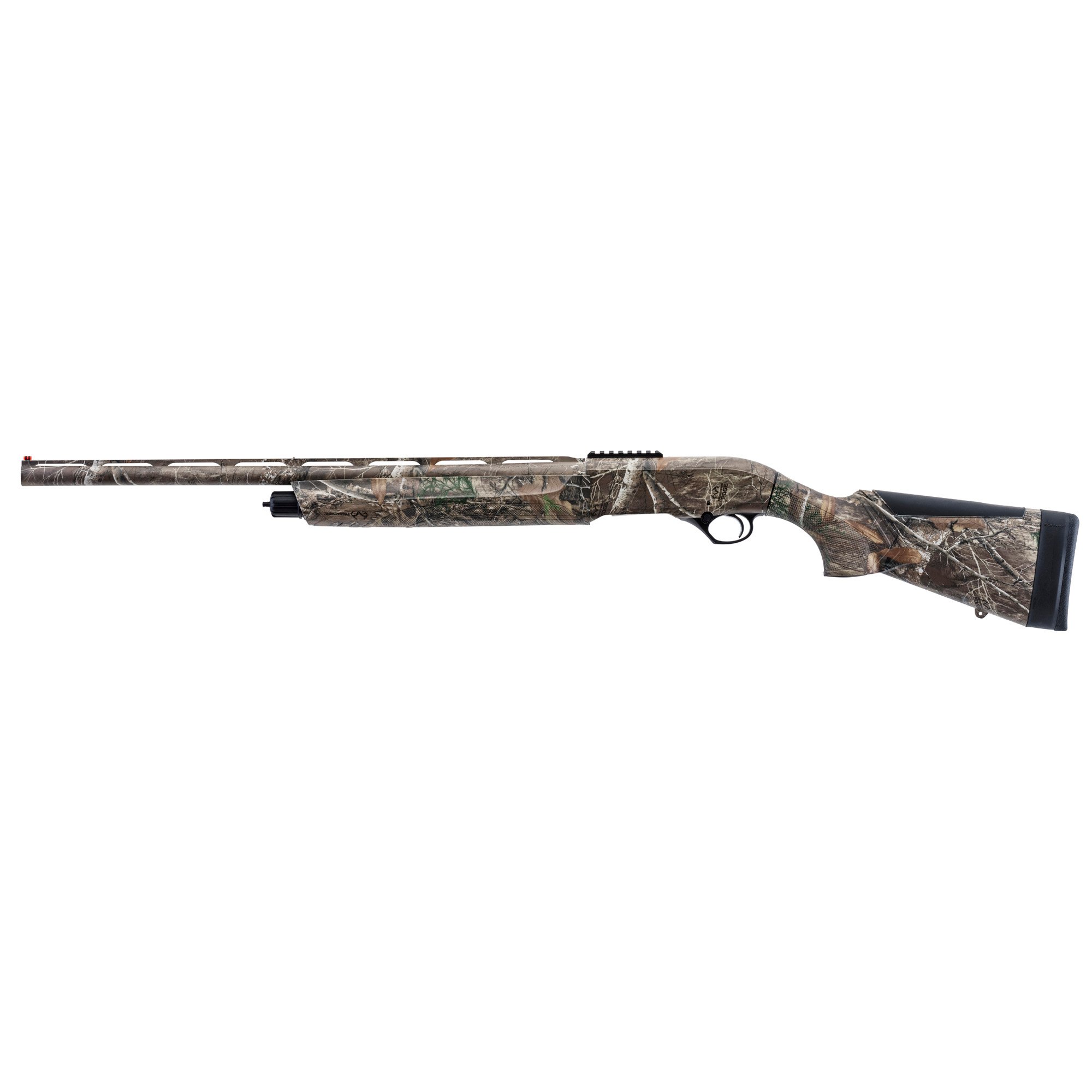
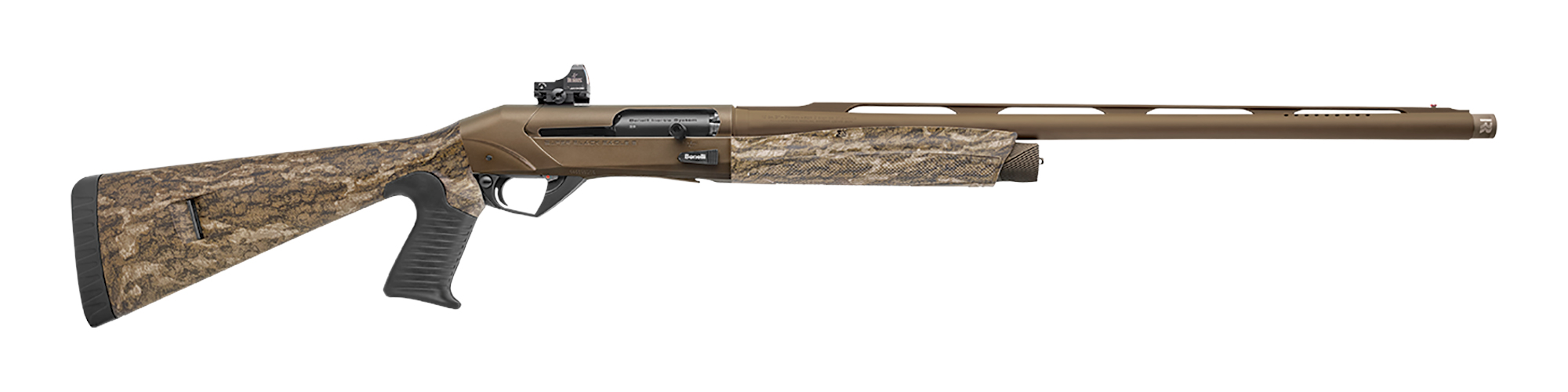
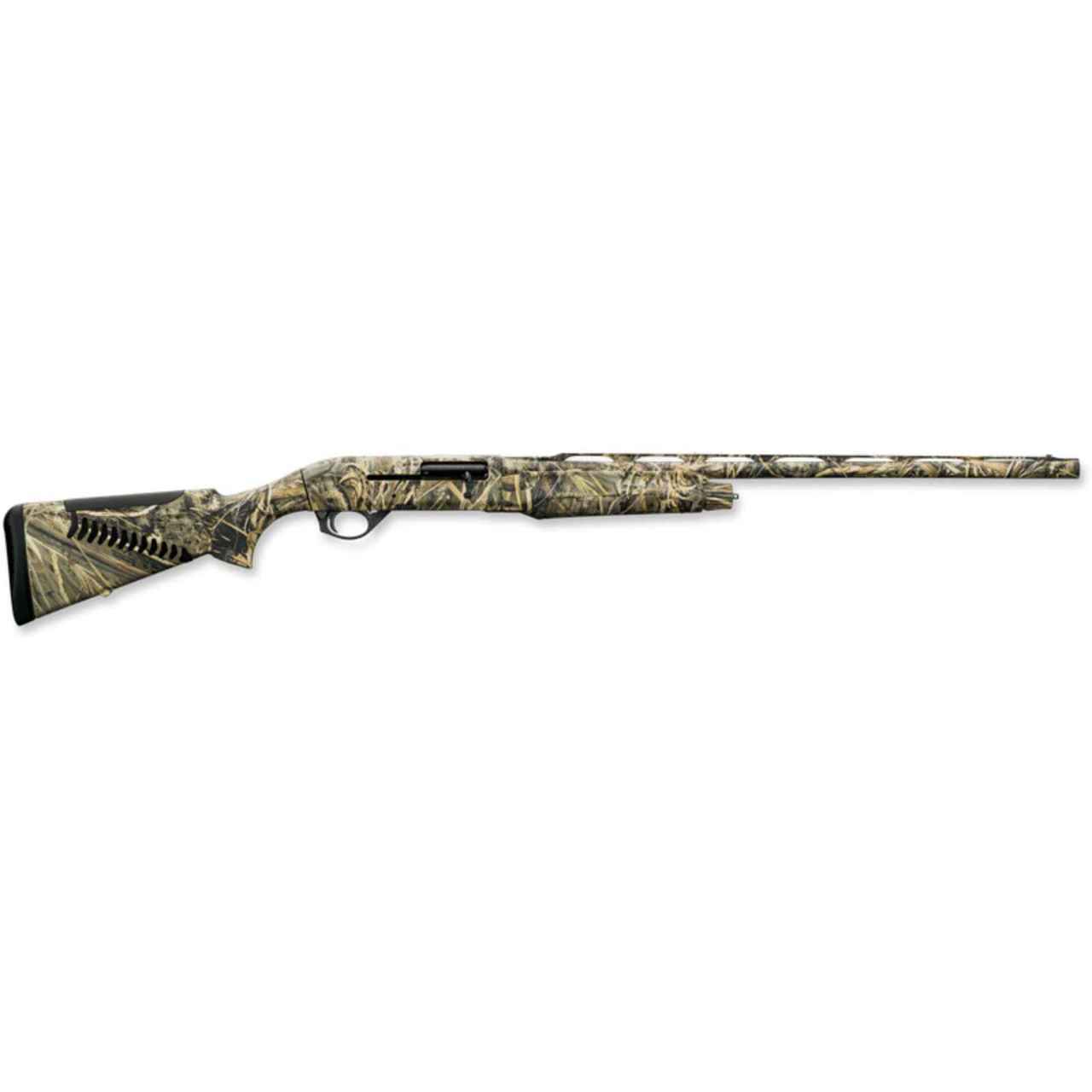
Turkeys in North Carolina are taken with shotguns, including muzzleloading shotguns, and with archery equipment, with shot size and other limits set in the digest. Rifles and handguns are not among the methods the Commission lists for turkey; confirm the current list in the regulations digest before the season. Most turkey hunters carry a 12 or 20 gauge pump or semi-automatic with a tight turkey choke and a camo finish, and pattern it with the load they plan to hunt with. A red-dot or turkey optic helps in the woods at dawn.
Where the birds are
Turkey numbers have grown across the state since restocking decades ago. Mountain hunters work ridges in the Pisgah and Nantahala national forests; Piedmont hunters find birds on farm edges and on game lands such as Caswell and Uwharrie; Coastal Plain hunters hunt pine plantations, river swamps and the Croatan National Forest. Scouting in March pays off more than anything you can buy.
Pattern the gun before opening day
A turkey is killed by pellets in the head and neck, so the pattern matters more than the gun. Hang a turkey-head target at 20, 30 and 40 yards, shoot from a rest with the exact load you will hunt with, and count the hits inside a ten-inch circle. Try two or three loads and chokes; one combination almost always prints better than the rest. Most hunters keep their shots inside 40 yards, and many keep them inside 30.
Safety in the spring woods
Spring turkey hunting is the season with the most hunters wearing full camouflage and imitating game calls, so hunter-to-hunter incidents happen. Never stalk a gobbling bird, sit with your back against a tree wider than your shoulders, identify the whole bird before you raise the gun, and wear orange when you walk in and out. Never wear red, white, blue or black in the turkey woods, because those are the colours of a gobbler's head and body.
Duck and goose seasons
Migratory bird seasons are set by the U.S. Fish and Wildlife Service frameworks and then chosen by the state each year. The Commission publishes the 2026-27 duck, goose, brant, dove and woodcock dates on its migratory game bird page rather than on the general season sheet. Duck seasons in North Carolina usually come in splits from autumn through the end of January, with special youth and veterans days; get the exact dates from ncwildlife.gov before you plan a trip.
What a duck hunter needs
- a North Carolina hunting license with the waterfowl privilege, unless you are exempt
- HIP certification for the current season
- a federal Migratory Bird Hunting and Conservation Stamp if you are 16 or older
- non-toxic shot, such as steel, bismuth or tungsten; lead shot is illegal for waterfowl nationwide
- a shotgun that holds no more than three shells in total, so a tube magazine needs a plug
Some impoundments and refuges, including Lake Mattamuskeet, run hunts by permit drawing only. Blind and stake rules apply on the sounds. The Commission's waterfowl pages list them.
Picking a shotgun for the coast
Salt air and marsh mud are hard on guns. Many coastal hunters choose a 12 gauge semi-automatic or pump with a synthetic stock, a corrosion-resistant finish and a 3 or 3.5 inch chamber for steel loads. A 20 gauge works well over decoys for wood ducks and teal. Wipe the gun down after every trip and oil the action. Our shotgun shelf covers field, waterfowl and turkey models, and every one ships to the dealer you choose near home.
Where the ducks are
Currituck Sound and the Outer Banks marshes are the historic heart of North Carolina duck hunting, with divers and puddle ducks in open water and marsh. Further south, the Pamlico and Neuse estuaries, the Cape Fear marshes and inland impoundments on game lands hold wood ducks, mallards, teal and black ducks. The Roanoke River bottoms flood in winter and draw wood ducks. Inland, Piedmont reservoirs and beaver ponds hold birds too, though the bags are smaller than on the sounds.
Other seasons worth knowing
- Squirrel (gray): Oct. 12, 2026 - Feb. 28, 2027, plus May 17 - 31, 2027
- Rabbit: Oct. 12, 2026 - Feb. 28, 2027
- Quail: Nov. 21, 2026 - Feb. 28, 2027
- Grouse: Oct. 12, 2026 - Feb. 28, 2027
Deer and bear seasons are on a separate page: see North Carolina deer and bear seasons 2026-27. To pattern a new shotgun, the public ranges at Foothills and Lentz have clay fields. For the law on buying and carrying, see the North Carolina gun law overview.
General information, not legal advice. Current as of October 2026. Laws change; check the official source before you act.