North Carolina concealed handgun permit: how to apply
A North Carolina concealed handgun permit, often called a CHP, is issued by the sheriff of the county where you live. It lets you carry a handgun concealed in most public places, it is honored by many other states, and it is still required for concealed carry in North Carolina today. This page sets out who qualifies, what you bring to the sheriff, what it costs and how long it takes. The governing statutes are G.S. 14-415.10 through 14-415.27.
Who qualifies
Under G.S. 14-415.12, the sheriff issues a permit to an applicant who:
- is a United States citizen or a lawful permanent resident
- is 21 or older
- has lived in North Carolina for at least 30 days before applying
- has no physical or mental condition that prevents safe handling of a handgun
- has completed an approved firearms safety and training course
- can legally own a firearm under state and federal law
The statute also lists reasons the sheriff must deny a permit, among them a pending felony charge, a felony conviction, being a fugitive, unlawful drug use, a misdemeanor crime of violence or an impaired driving conviction within three years of the application, a domestic violence conviction, and a discharge from the armed forces under other than honorable conditions. Read the full list in the statute if any part of your record might apply.
The course
The training course must include actual firing of a handgun and instruction on the law of concealed carry and the use of deadly force in North Carolina. The Criminal Justice Education and Training Standards Commission sets the standards. Courses taught by instructors certified through that Commission, the National Rifle Association or the United States Concealed Carry Association, among others listed in the statute, qualify. Ask the instructor for the original certificate of completion, because the sheriff's office will want it.
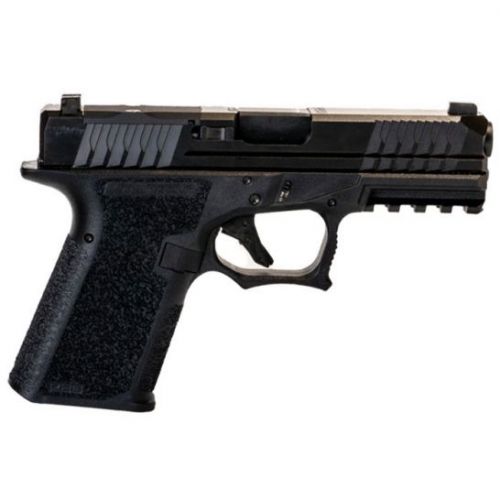
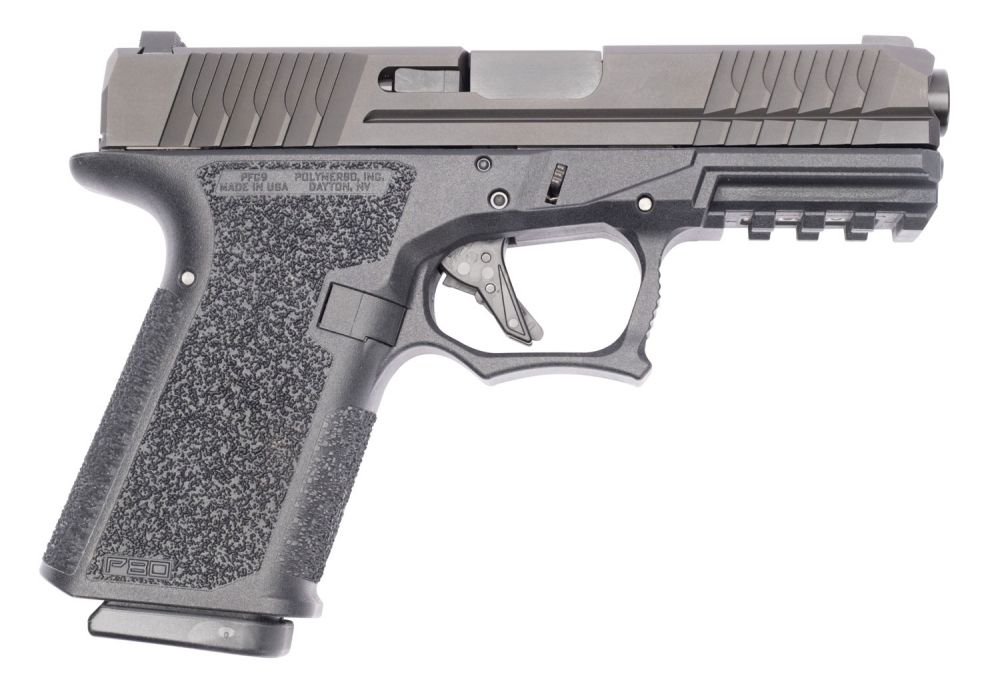
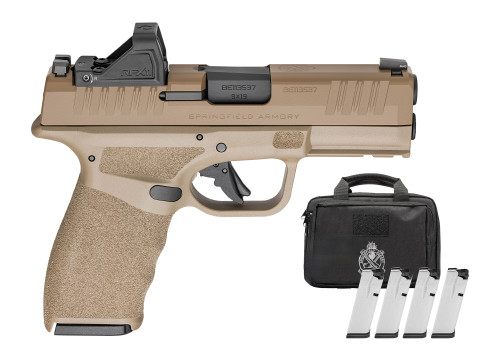
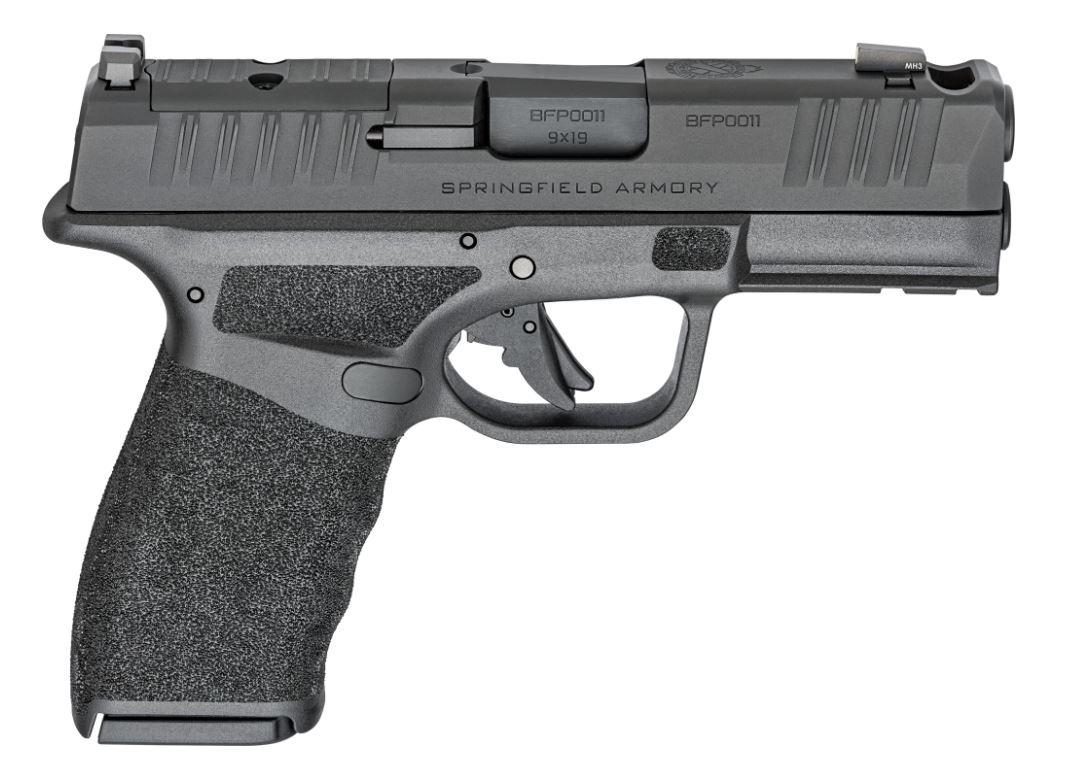
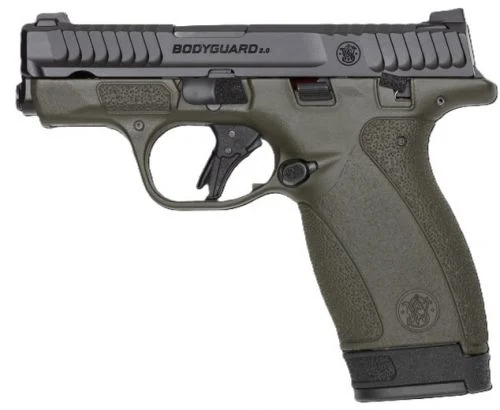
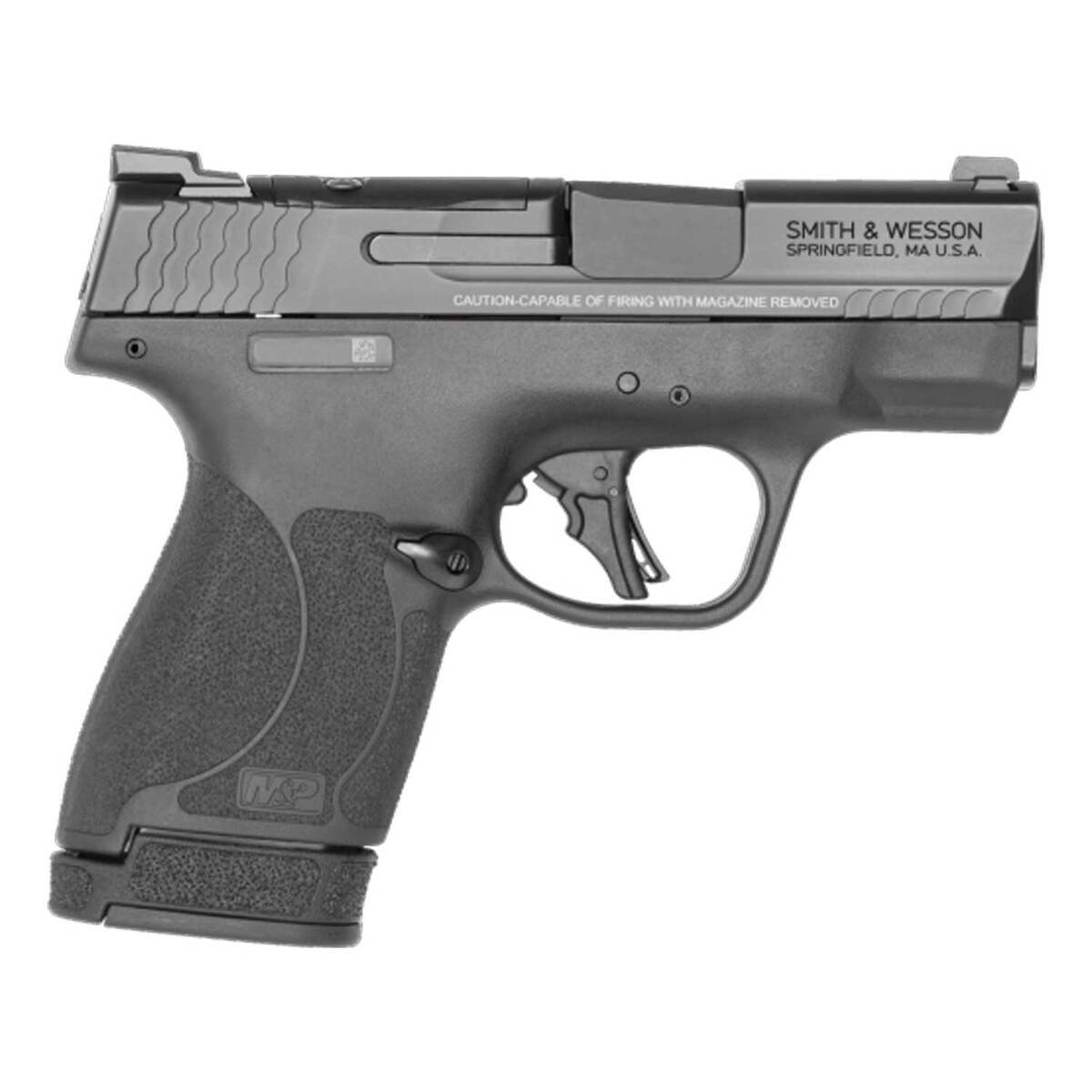
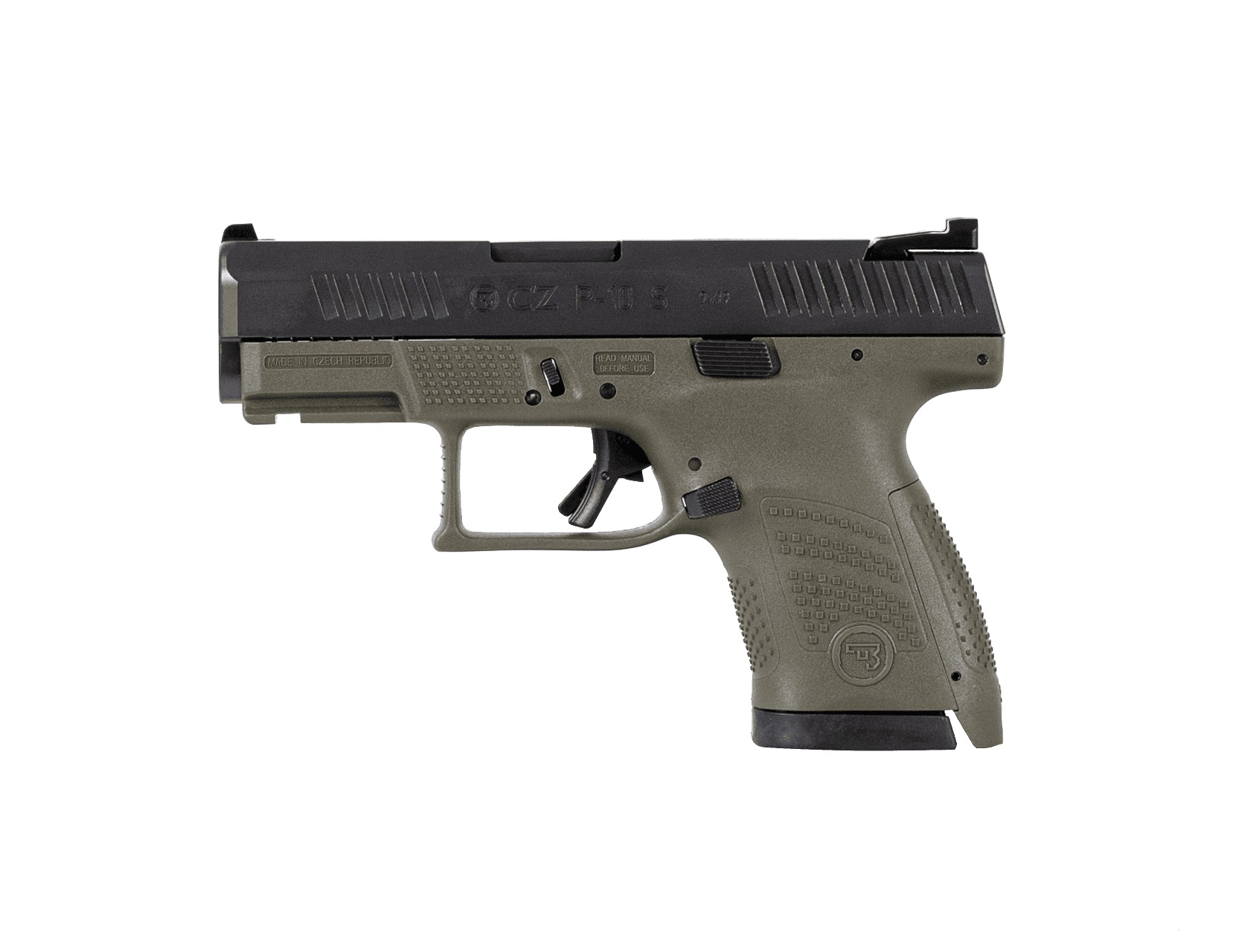
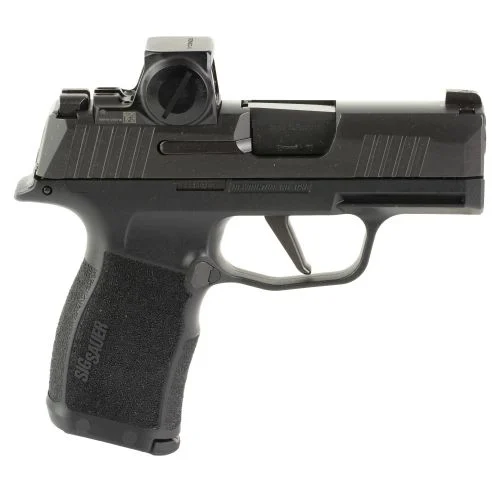
Many people take the course with a carry pistol they plan to keep. If you are still choosing one, the shelf at the bottom of this page lists compact pistols that ship to a dealer near you.
What to bring to the sheriff
- the county's application form, signed
- the original course certificate
- a valid North Carolina driver license or state ID
- the application fee and fingerprint fee
- a signed release that lets the sheriff obtain mental health records
Most sheriffs now take applications by appointment or through an online portal and take fingerprints at the office. Procedures differ from county to county, so check your county sheriff's website before you go. Our city pages name the county office for each city we cover.
Fees
- New permit: $80 (G.S. 14-415.19)
- Fingerprints: up to $10 more, kept by the sheriff
- Renewal: $75
Retired law enforcement officers and some others have their own rules; the sheriff's office can explain them.
How long it takes
The sheriff runs state and federal background checks and requests mental health records from the courts and treatment providers. Once the complete file is in, the law gives the sheriff 45 days to issue or deny the permit. Some counties are faster, some take the full time, and backlogs grow after a change in the law, so apply well ahead of any trip.
How long it lasts and how to renew
A permit is valid for five years. You can renew in the last 90 days before it expires; a renewal needs a new application, the $75 fee and fingerprints when the sheriff asks for them, but not a new course. Moving to a different county does not cancel a permit, but you must tell the sheriff of the new county about the address change within 30 days. A lost or destroyed permit must also be reported.
Carrying with a permit
Carry the permit and your ID whenever you carry a concealed handgun. When a law enforcement officer approaches or addresses you, tell the officer that you hold a permit and are carrying, and show the permit when asked. Carrying while drinking alcohol or with alcohol or a controlled substance in your body is a crime, even in a place where carry is otherwise allowed.
The places where concealed carry is barred even with a permit are listed in G.S. 14-415.11(c). They include schools, courthouses, law enforcement and correctional facilities, posted private premises and federal property. Our North Carolina gun law overview lists them with the exceptions.
Out-of-state permits and reciprocity
North Carolina honors concealed carry permits from every other state, under G.S. 14-415.24, as long as the holder is not a North Carolina resident and follows North Carolina law while here. Which states honor a North Carolina permit depends on each state's own law; check the attorney general or state police website of any state you plan to visit. If you move to North Carolina with a permit from another state, apply for a North Carolina permit once you meet the 30-day residence rule.
Is permitless carry coming?
Senate Bill 50, which would allow concealed carry without a permit for adults who may legally own a gun, passed the General Assembly in 2025 and was vetoed by Governor Josh Stein. The Senate overrode the veto; the House had not completed its override vote when we last checked. Even if it passes, a permit stays useful for carrying in other states and as an alternative proof of a background check at some dealers, so many people will keep theirs. Check the bill's status on ncleg.gov.
Next steps
Find a certified course near you, book your sheriff's appointment, and pick a holster that covers the trigger guard. When you are ready for a pistol, browse handguns or read how buying online and shipping to an NC dealer works.
General information, not legal advice. Current as of October 2026. Laws change; check the official source before you act.